 ×
×

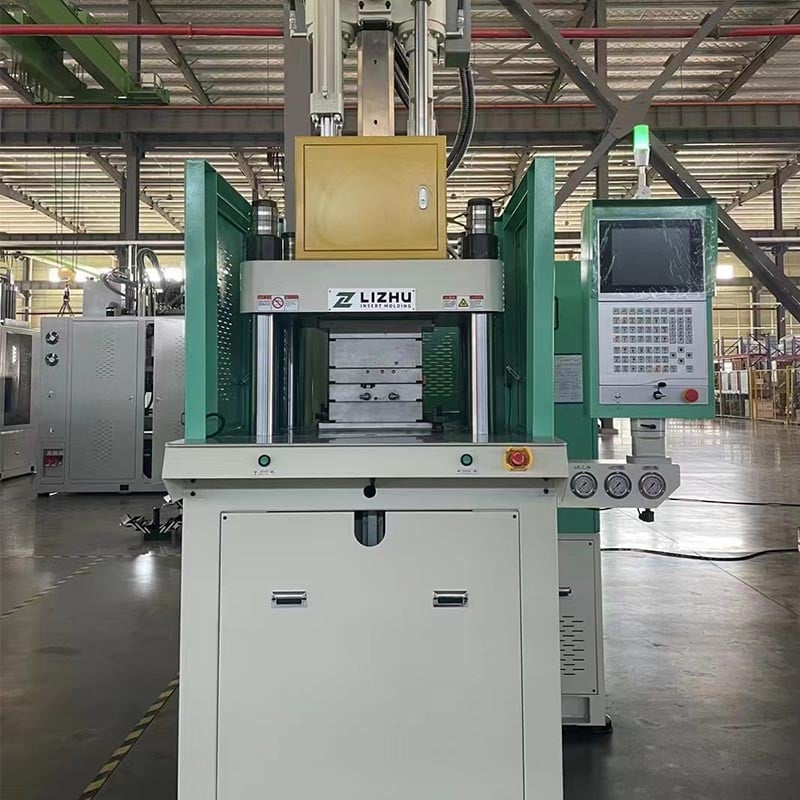
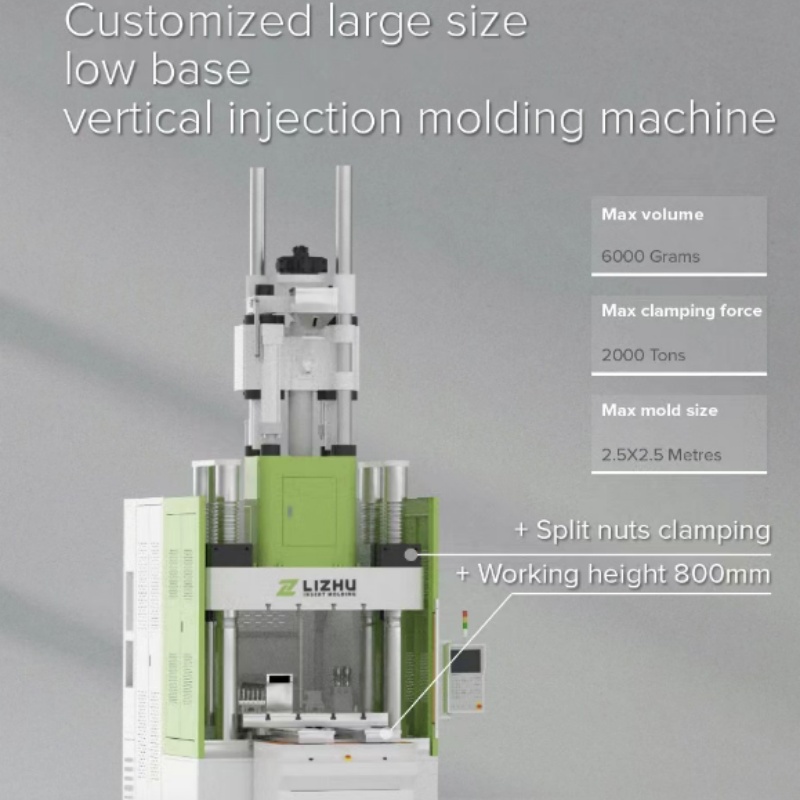
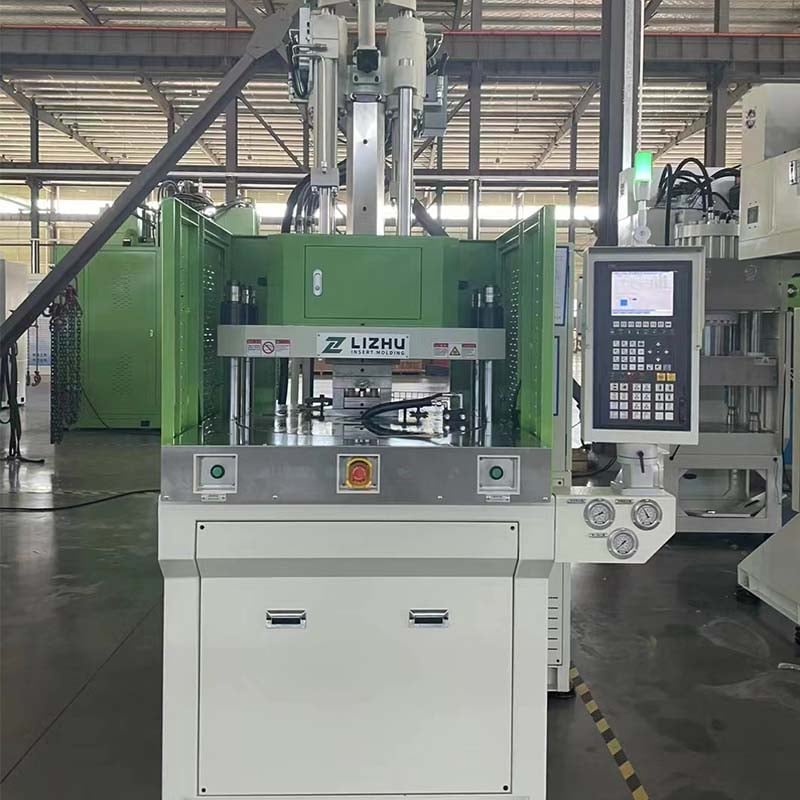
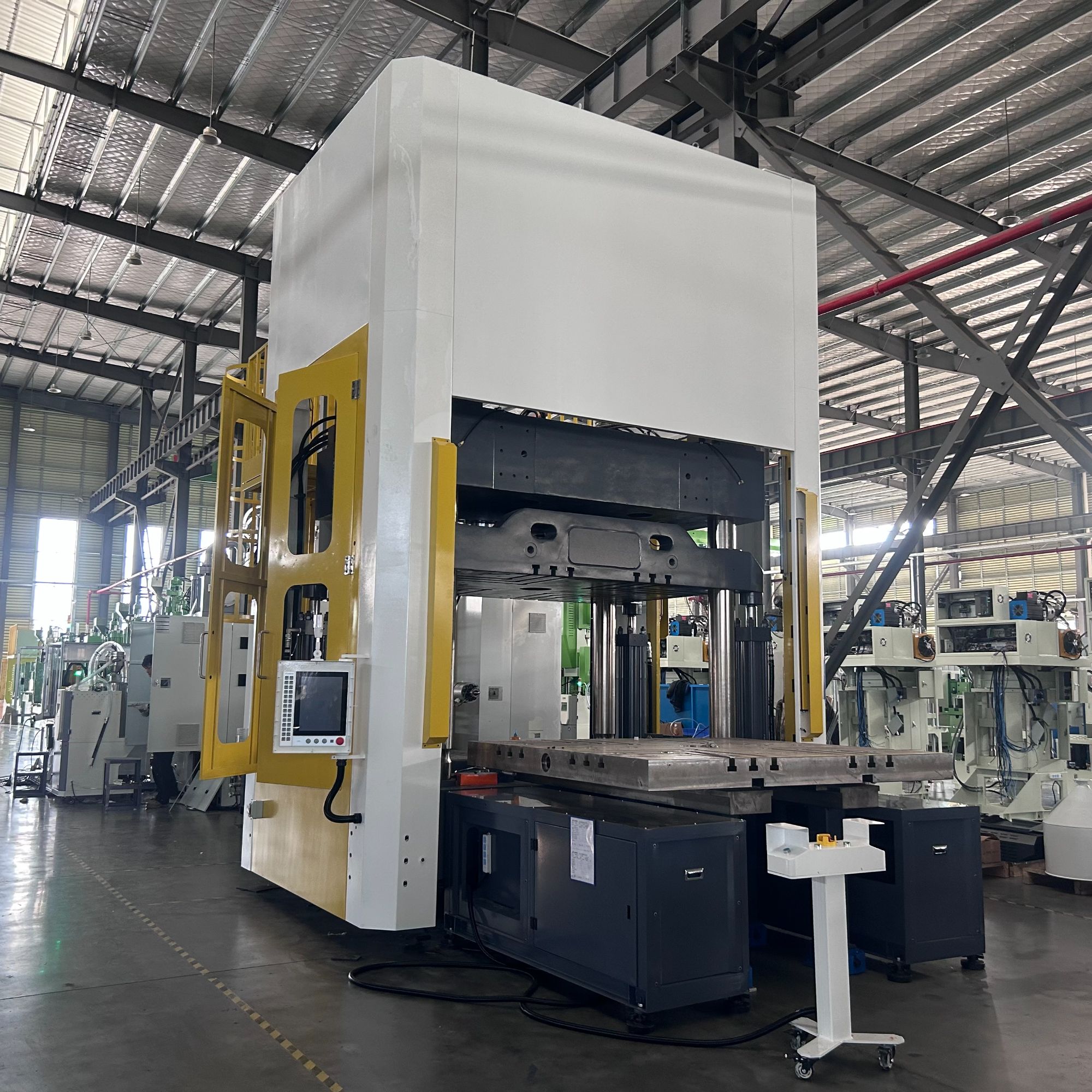
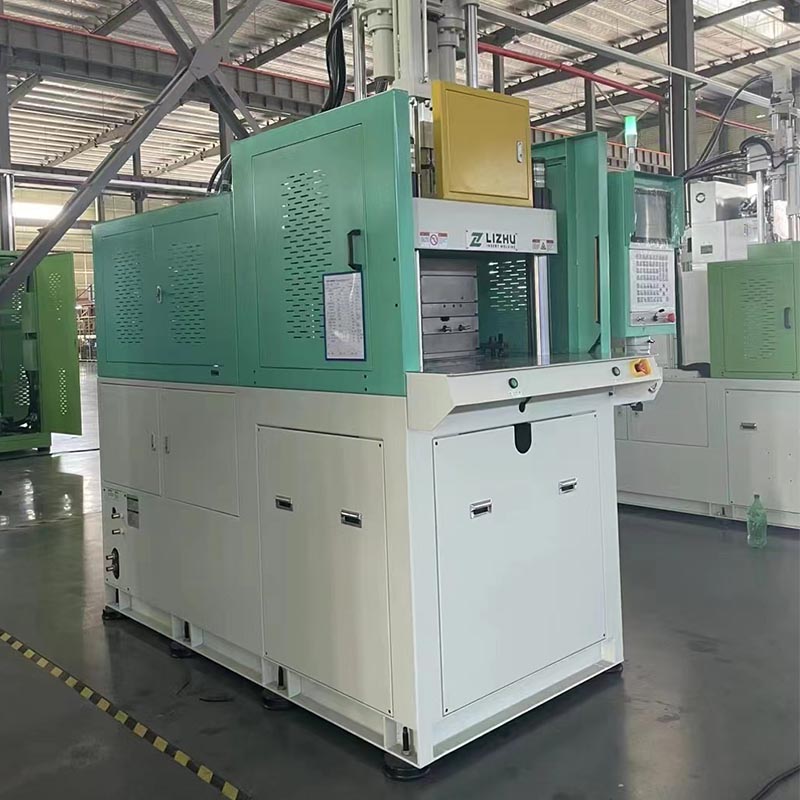
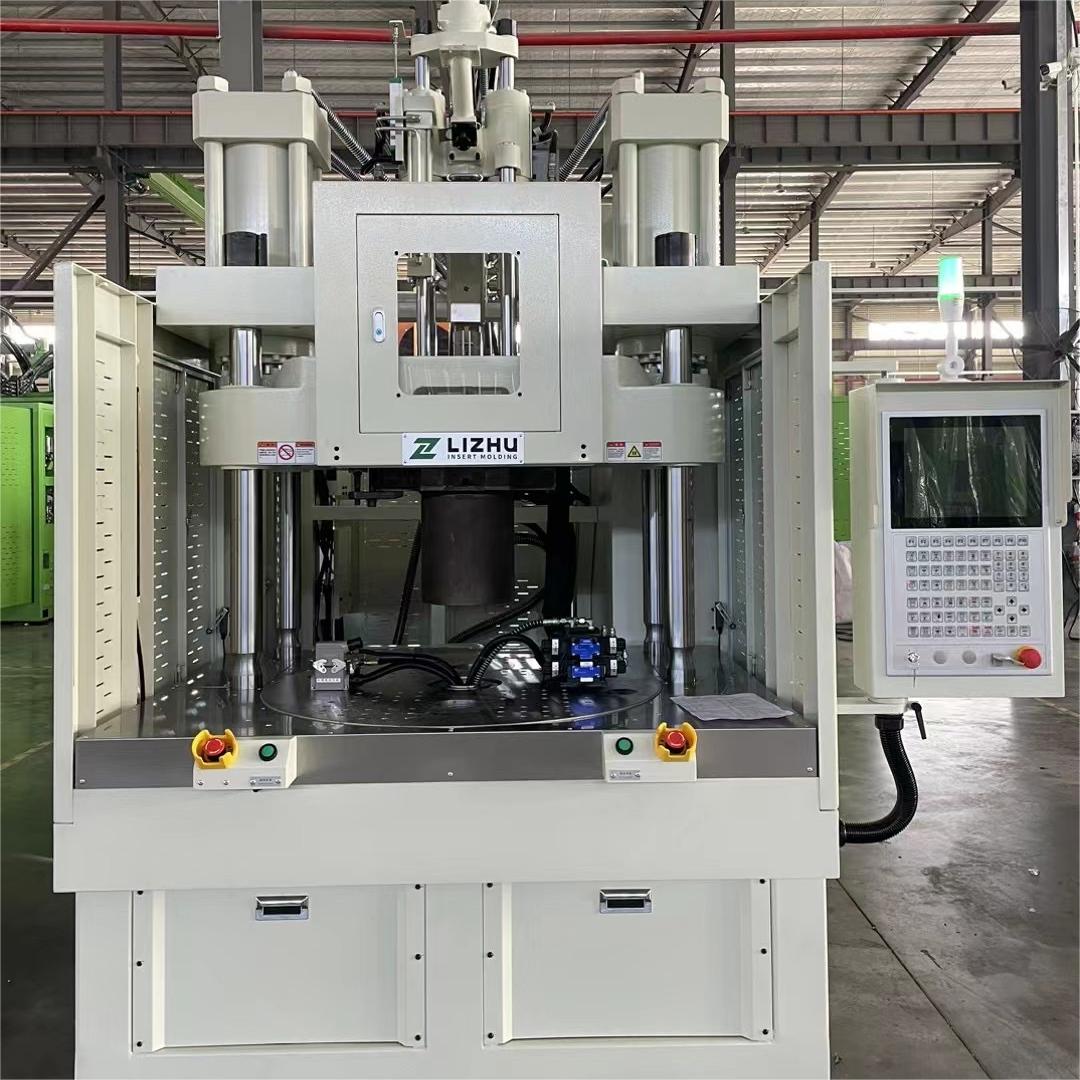
As manufacturers place greater emphasis on energy efficiency and production stability, servo-driven vertical injection molding machines are increasingly replacing traditional hydraulic systems. Compared with conventional designs, servo technology offers both lower energy consumption and improved molding control.
1.Why servo-driven vertical injection molding machines save energy
Traditional hydraulic machines keep the motor running continuously, consuming power even during cooling or idle stages. Servo-driven vertical injection molding machines operate on an on-demand principle, supplying power only during injection, clamping, or mold movement. This significantly reduces unnecessary energy loss and is especially effective in continuous production environments.
2.Advantages beyond energy efficiency
Servo systems provide more precise control of injection speed, pressure, and clamping force, improving product consistency and reducing defect rates. Lower oil temperature during operation also enhances system stability and helps reduce mechanical wear, resulting in lower maintenance requirements over time.
3.Better fit for automation and modern production
Servo-driven vertical injection molding machines integrate smoothly with robotic systems, rotary tables, and automated inspection equipment. Fast response and stable cycle times make them ideal for multi-station and automated production lines.
Overall, servo-driven vertical injection molding machines are becoming the industry standard not only for energy savings, but also for their precision, stability, and automation compatibility—making them a practical and sustainable choice for modern manufacturing.
 Hot News
2026-10-14
2026-09-22
2026-08-24
2026-07-25
2026-04-08
2026-03-06

Welcome to LIZHU,a factory specialized in the production of high-speed and precision vertical injection molding machines boasting over 30 years of expertise.
No.528 Litai Road, Xiangcheng District, Suzhou, China.
Copyright © Suzhou Lizhu Machinery Co.,Ltd. All Rights Reserved - Privacy Policy - Blog

 EN
EN