 ×
×

Industry Information | Vertical Injection Molding Machine Market Update
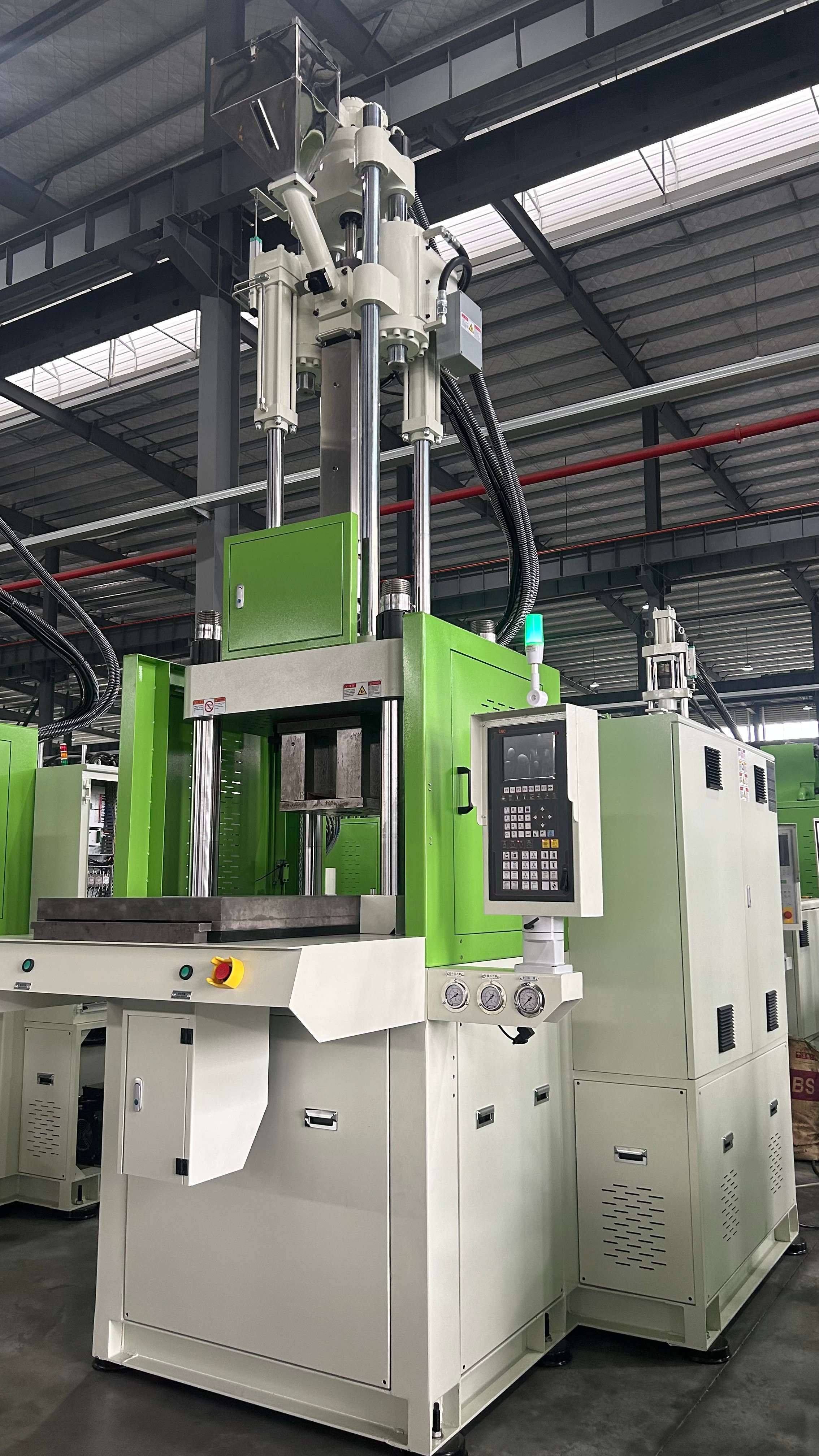
Driven by global carbon neutrality policies, growing demand for new energy and medical precision manufacturing, and the development of digital factory technologies, the global injection molding industry is undergoing structural adjustments in 2026.
The traditional production model, which relied on high energy consumption, manual operations and single-machine setups, is facing increasing pressure in the current market environment. Downstream industries including new energy vehicles, medical disposable products, wearable electronics and precision micro-components have raised higher requirements for energy consumption control, dimensional accuracy and process management in molding operations.
From an equipment procurement perspective, manufacturers' evaluation criteria for vertical injection molding machines have shifted from simply comparing equipment prices to a comprehensive consideration of lifecycle costs, production efficiency, energy consumption and maintenance expenses. Green and low-carbon production, precision molding capabilities, intelligent control and customized services are currently the more notable focus areas in equipment selection.
1. Stricter Standards on Energy Consumption and Emissions
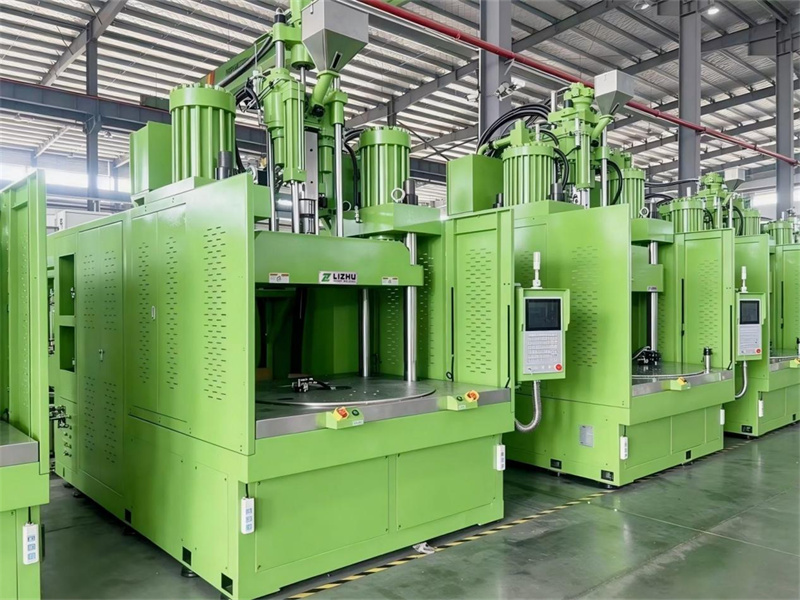
The tightening of carbon emission regulations and rising industrial electricity prices have put high-energy-consumption traditional hydraulic injection molding equipment under gradual phase-out pressure. By 2026, energy-saving retrofits have gradually become a practical necessity for plastic processing enterprises rather than an optional choice.
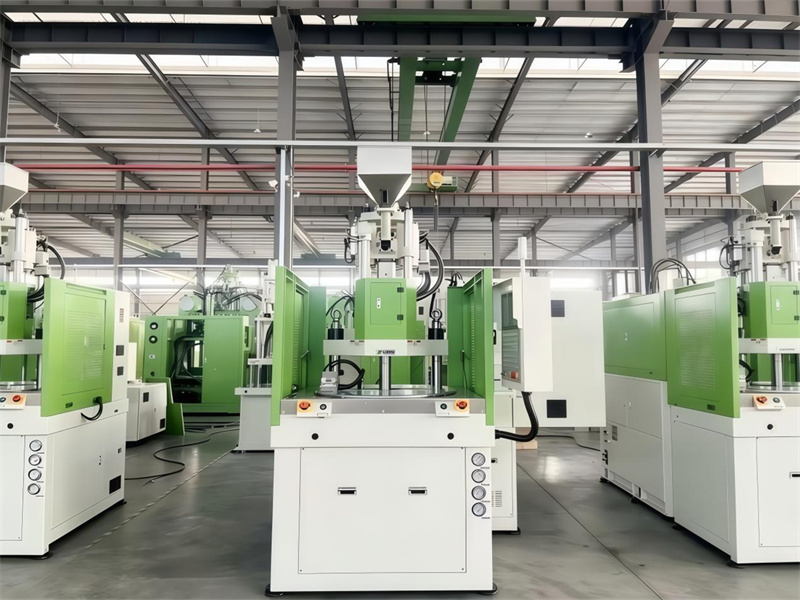
New-generation vertical injection molding machines adopt various measures to reduce energy consumption, including optimized servo hydraulic systems, power-adaptive adjustment technology and low-loss mechanical structures, which reduce idle power consumption and operating losses throughout the production process. According to operational data from some factories, energy-efficient equipment can achieve approximately 20% reduction in comprehensive power consumption under long-term continuous production conditions.
For export-oriented processing factories facing carbon tariffs, as well as enterprises seeking green-related certifications, low-energy equipment accounts for a significant share in production line upgrades. Suzhou Lizhu Machinery continues to optimize structural designs in equipment energy efficiency and provides corresponding molding equipment.
2. Increasing Precision Requirements for Precision Components
Electronic connectors, medical micro-parts, new energy conductive inserts and automotive miniature fasteners continue to trend toward miniaturization, which in turn raises the precision requirements for injection molding. These parts typically require micron-level dimensional tolerances, no flash, uniform encapsulation and good batch-to-batch consistency.
General-purpose vertical injection molding machines are prone to insert displacement, glue overflow or dimensional fluctuations when producing small embedded parts, resulting in relatively high defect rates. High-precision vertical insert molding equipment with robust machine rigidity, closed-loop pressure control and precise positioning features is currently a primary procurement direction for precision processing enterprises.
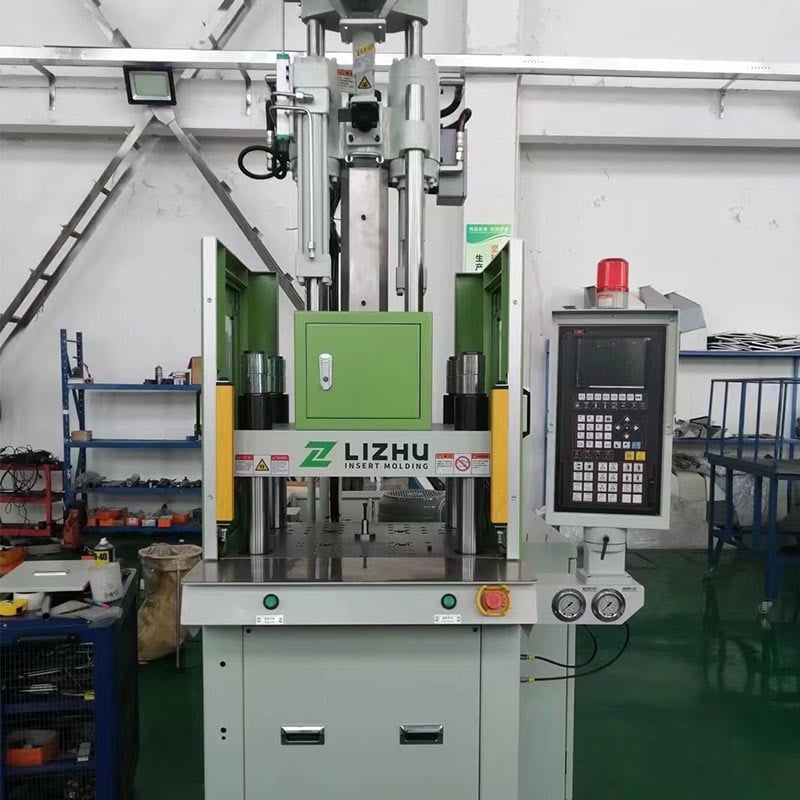
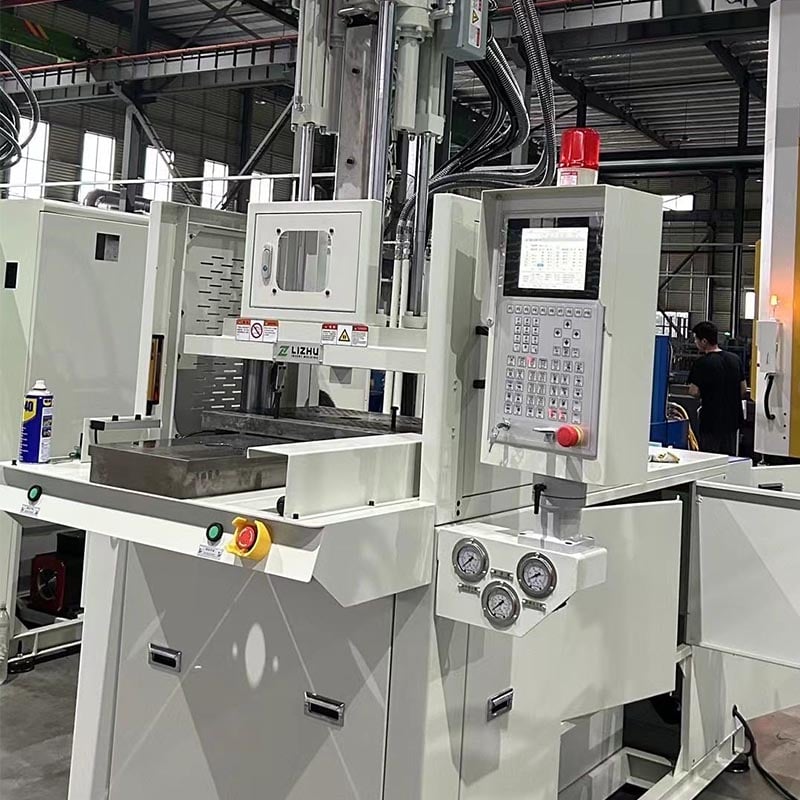
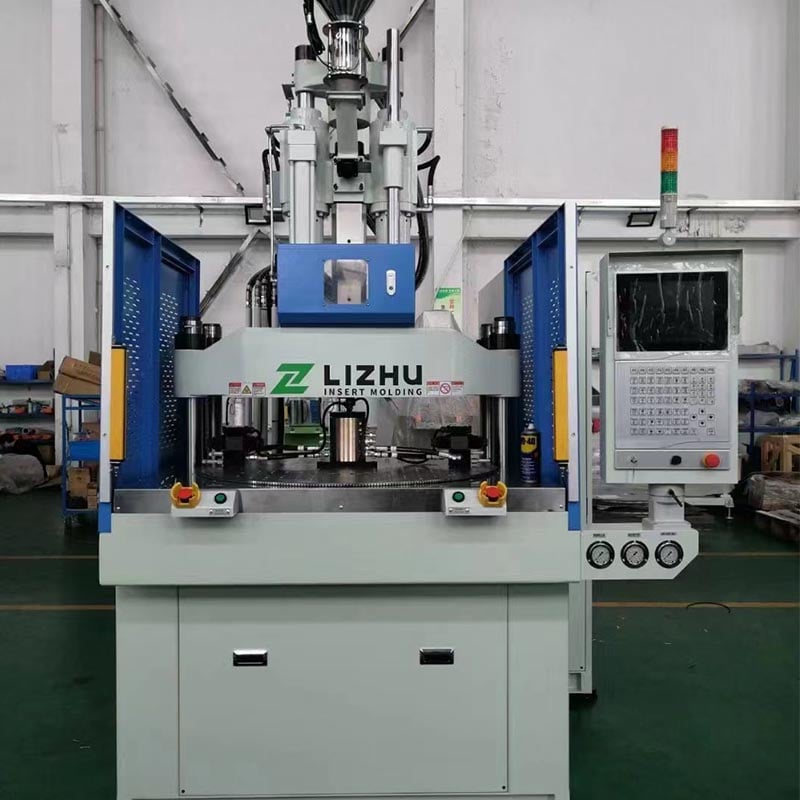
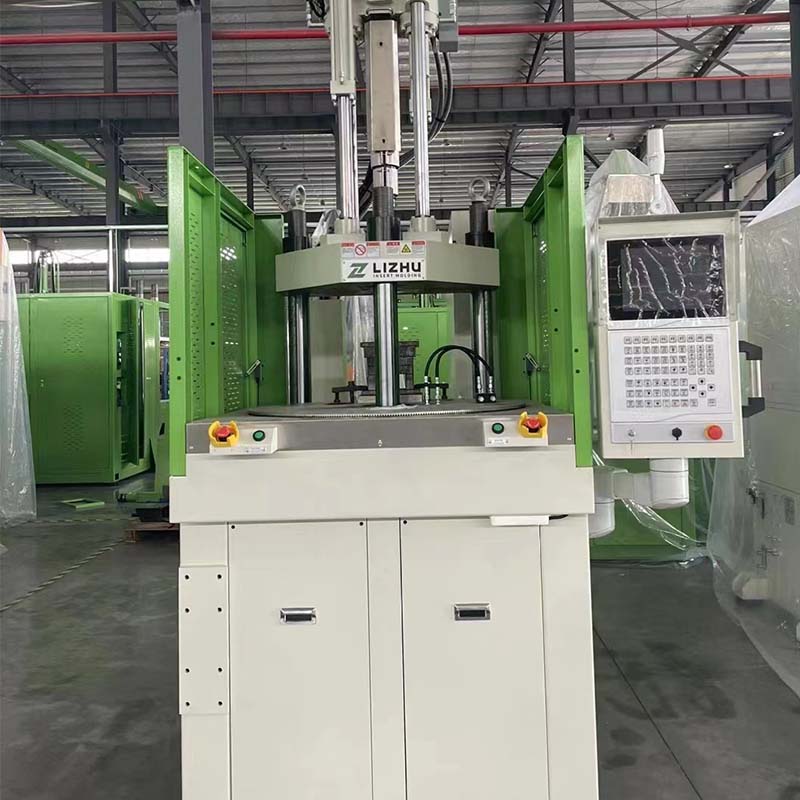
Suzhou Lizhu Machinery's vertical injection molding machines adopt an integral casting structure and high-precision positioning systems, capable of meeting the production requirements of precision parts in terms of injection volume, holding pressure and mold clamping accuracy. They are suitable for high-precision small-part batch production in the medical, electronics and new energy sectors.
3. Application of Digitalization and Intelligence in Production
The injection molding industry is gradually introducing digital and intelligent tools to reduce reliance on manual experience. Under the traditional model, parameter adjustments are mostly made by technicians based on experience, leading to quality variations between different operators and making production data difficult to trace.
Intelligent control systems equipped with data collection, automatic parameter optimization, equipment status monitoring and fault early warning functions are seeing increased adoption on injection molding production lines. The intelligent control module can automatically match molding parameters based on material characteristics and product requirements, helping improve production consistency and stability. Real-time monitoring and statistical functions also facilitate production management and quality analysis for factories.
Suzhou Lizhu Machinery has progressively integrated the above functions into its equipment control systems, lowering operational difficulty and improving the equipment's adaptability to diverse products.
4. Growing Emphasis on Customized Solutions
Competition in the current injection molding equipment market is no longer limited to equipment performance and price alone. Customization capability and supporting service levels are increasingly valued by customers.
Customers from different industries, such as automotive parts, medical plastics, consumer electronics and hardware insert overmolding, have varying requirements for clamping force, stroke, table size and hydraulic configurations. Standard models are often unable to fully meet these needs. Equipment manufacturers with non-standard design capabilities can provide tailored solutions based on customers' specific products, including model selection recommendations, mold validation and process matching.
Suzhou Lizhu Machinery offers differentiated equipment configurations and molding solutions according to the process characteristics of different industries, assisting customers in addressing specific production issues.
5. Future Outlook
In the coming years, the injection molding industry is expected to continue equipment renewal and production line upgrades in the areas of energy conservation, precision manufacturing and digitalization. Replacing outdated equipment, promoting energy-efficient models and building digital workshops will likely be the strategies adopted by many processing enterprises.
Suzhou Lizhu Machinery will continue to improve the precision, energy efficiency and intelligent control of its vertical injection molding machines and insert molding machines based on market demand, providing customers with applicable molding solutions.
 Hot News
2026-10-14
2026-09-22
2026-08-24
2026-07-25
2026-04-08
2026-03-06

Welcome to LIZHU,a factory specialized in the production of high-speed and precision vertical injection molding machines boasting over 30 years of expertise.
No.528 Litai Road, Xiangcheng District, Suzhou, China.
Copyright © Suzhou Lizhu Machinery Co.,Ltd. All Rights Reserved - Privacy Policy - Blog

 EN
EN